St George · Utah
Lower back pain is the most common reason guests walk into our spa. Some are dealing with it for the first time. Others have lived with it for years. A 30-minute session is not a cure — but for most people, it is enough to break the pain cycle and get through the week.
Where lower back pain usually comes from
For most office workers and active adults, lower back pain is caused by tight hips, weak glutes, or simple muscle tension that builds up over weeks. Most cases are not structural — they are soft-tissue tension that responds well to massage.
What a 30-minute session does
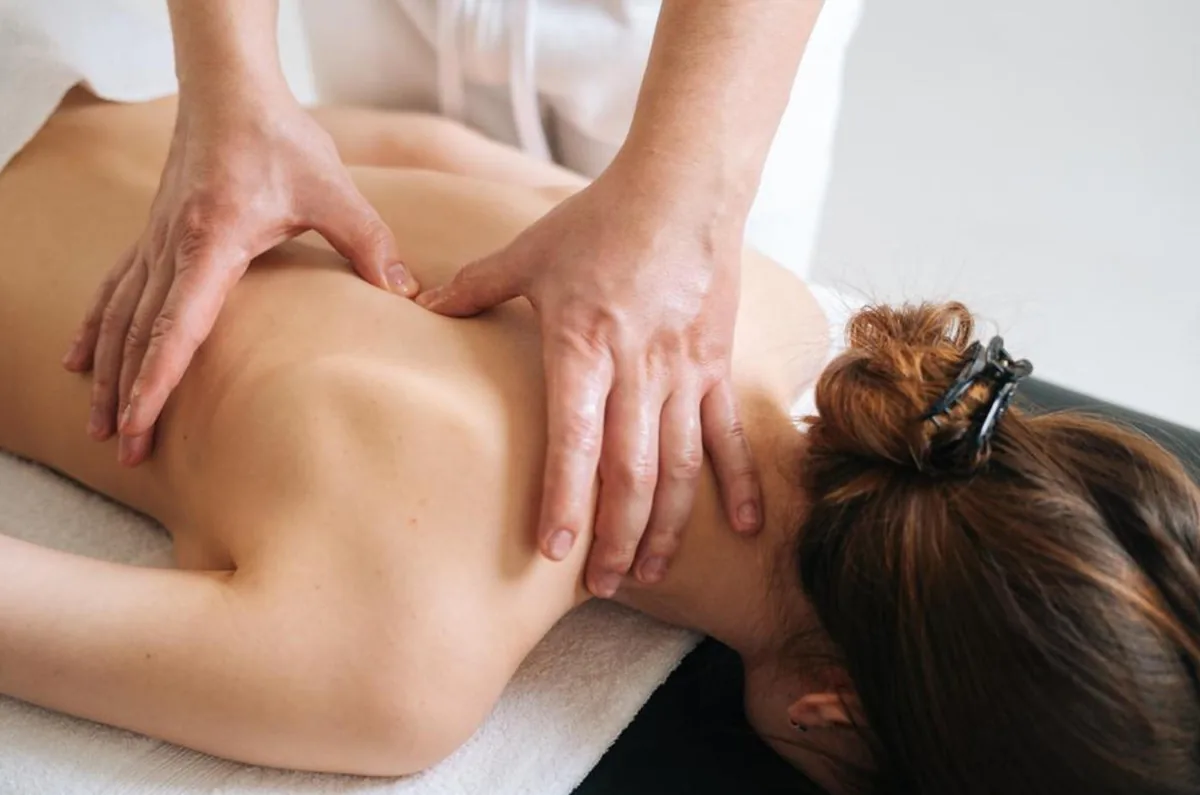
With 30 minutes, the therapist focuses entirely on your lower back, hips, and glutes — the three areas that almost always work together. Light to medium pressure first to bring blood flow into the tissue, then targeted deeper work on the specific tight spots.
Why this often works fast
Lower back tension is rarely just "the lower back." It is usually the lower back compensating for tight hip flexors or locked-up glutes. When the therapist releases those surrounding areas, the lower back often releases on its own.
When you should see a doctor first
If your pain shoots down one leg, if you have numbness or tingling, if it started after a fall or accident, or if it does not improve at all after a few days — see a doctor before booking massage. We do not work on injuries that need medical evaluation first.
Booking a 30-minute session
Walk in any day, Mon-Sat 9AM – 9PM · Sun 10AM – 6PM. Tell the front desk "30 minutes, lower back focus." $60. Many guests come in once during a flare-up and follow up with monthly maintenance once the pain has eased.
A bad back makes everything else harder. A 30-minute session is one of the simplest, fastest ways to give it a real reset.
Common lower-back triggers we see in St George
The patterns here are predictable. Desk workers from downtown offices and Utah Tech sit too long. Trades and construction crews — and St George has plenty with the area still growing — load the back day after day. Long I-15 commutes from Hurricane and Washington keep the hips locked in a seated position. Golfers from the Sunbrook, Green Valley, and Entrada courses repeat the same rotation, and hikers come back from Snow Canyon with tired, tight glutes.
Almost all of these are soft-tissue tension, not a structural problem — which is exactly the kind of thing a focused 30-minute session helps with.
What helps between sessions
This is not medical advice — just what our regulars find helps the work last. Get up and move every hour instead of sitting through it. In St George's dry climate it is easy to be under-hydrated without noticing, and tight muscles do not love that, so drink more water than feels necessary. Keep gently moving on the days you feel stiff rather than fully resting. None of this replaces the session; it makes the session hold longer.
What a 30-minute lower-back session looks like
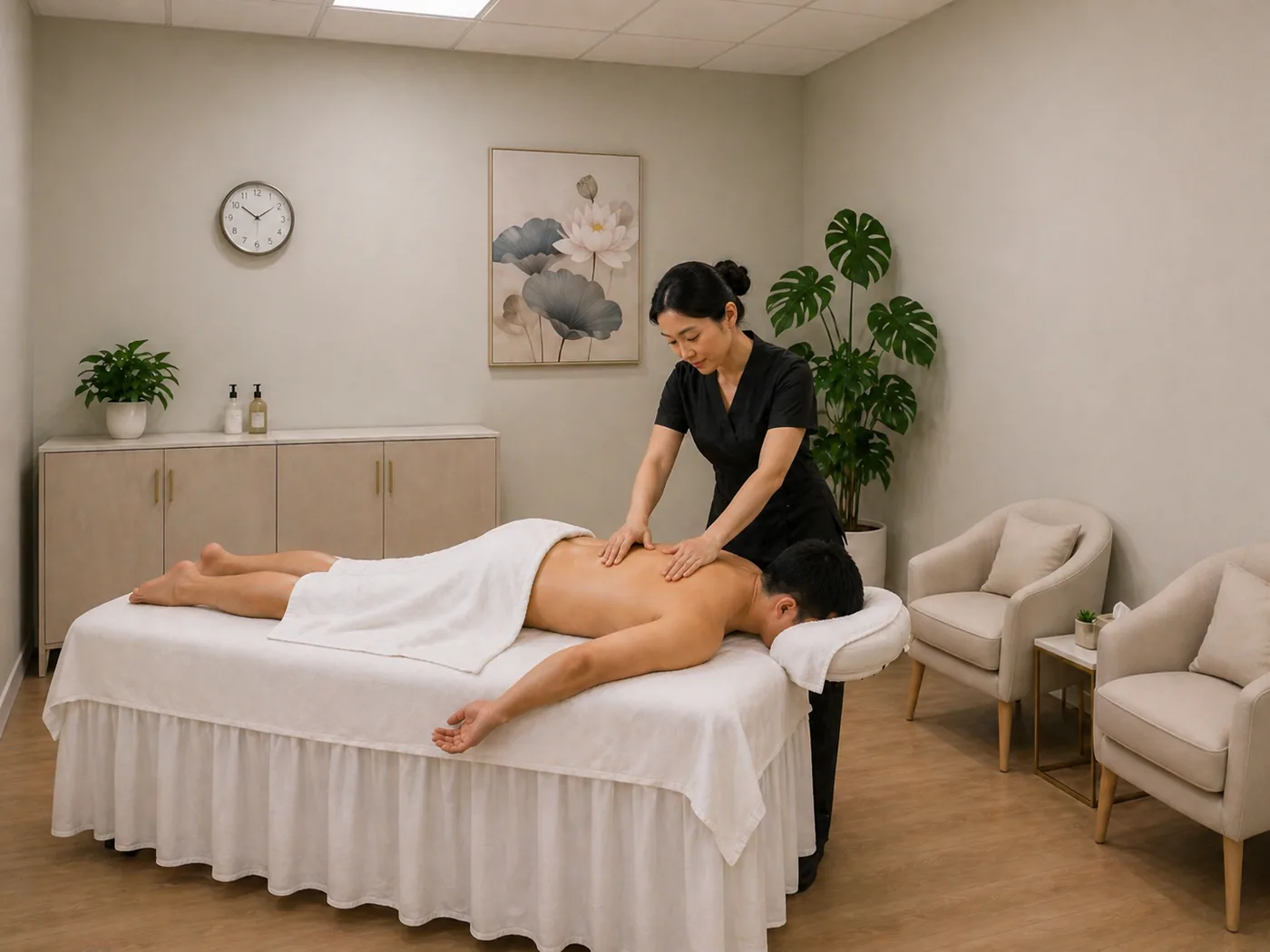
It helps to know the shape of the half hour before you come in. The therapist starts with you face-down and spends the first few minutes with lighter, broader pressure to bring blood flow into the lower back, hips, and glutes — going straight to deep work on cold muscle is counterproductive. From there the work narrows to the specific tight spots, usually the band across the lower back and the muscles around the hips that quietly drive most of it.
The last few minutes ease back out with slower strokes so you are not standing up tense from the work itself. Thirty minutes is enough time to do this properly when the focus stays on one region — which is exactly why we ask you to name the area at the front desk rather than spreading a short session across the whole body.
Frequently asked questions
Should I book 30 or 60 minutes for lower back pain?
For a lower-back focus, 30 minutes on the back, hips, and glutes is usually enough. Choose 60 minutes if you also want the rest of the body worked or you are generally tense everywhere.
How soon will I feel a difference?
Many guests feel looser the same day. A single session during a flare-up often takes the edge off; lasting relief usually comes from a short series followed by monthly maintenance.
What if the pain shoots down my leg or there is numbness?
Please see a doctor before booking. If pain radiates down a leg, you have numbness or tingling, or it started after a fall or accident, that needs medical evaluation first — we do not work on injuries that have not been cleared.