St George · Utah
Both are great. They just do different jobs. If you have ever stood at a massage menu trying to decide, here is a simple side-by-side from our therapists at Serenity Spa & Massage in St George.
What Swedish massage is
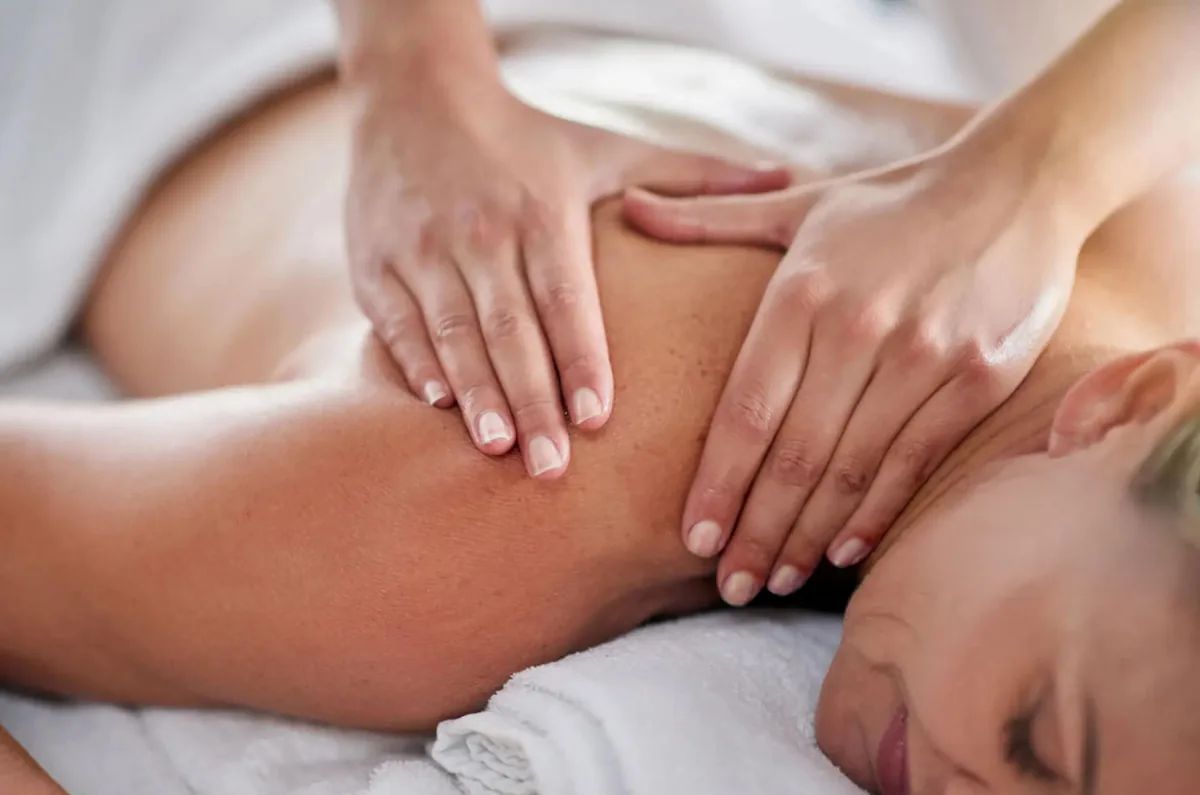
Long, flowing strokes. Light to medium pressure. Oil. The therapist uses sweeping motions, kneading, and gentle circular pressure across the whole body. The goal is to relax surface muscles, slow your breathing, and calm your nervous system.
What deep tissue massage is
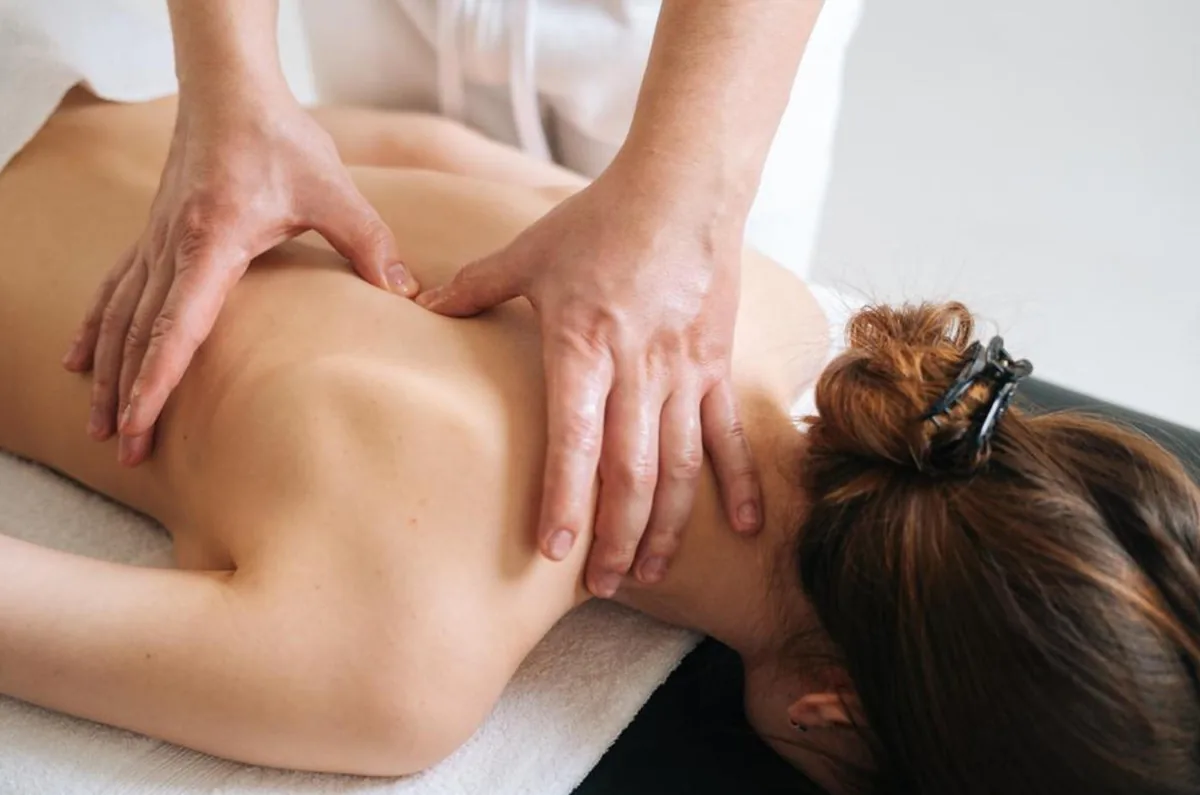
Slower strokes. Firmer pressure. Targeted work into the deeper layers of muscle and connective tissue. The therapist works across the grain of stubborn knots — usually in the back, shoulders, neck, hips, and IT band. The goal is to release chronic tension.
Pick Swedish if…
You are new to massage and want a gentle introduction. You feel generally stressed but have no specific painful spot. You want to relax and possibly fall asleep on the table. You prefer lighter pressure. You are booking with a partner for a couples session.
Pick deep tissue if…
You sit at a desk all day and your shoulders feel like rocks. Regular Swedish has started to feel "too light." You have a specific painful or stiff area you want worked on. You are active — running, lifting, weekend sports. You can handle some productive discomfort during the session.
Same room, same price
At Serenity Spa & Massage, both are $60 for 30 minutes or $80 for 60 minutes. Same private rooms, same therapists, same clean rooms included. The only difference is the technique you ask for.
Still not sure? Walk in and ask the therapist — they will help you pick based on what you describe. Call us at 435-850-4772.
How St George guests usually choose
The split is fairly consistent here. First-time guests and visitors in town for Zion or Snow Canyon tend to pick Swedish — they want to relax, not be worked hard. Desk workers, trades crews, and the golf-and-hiking crowd usually end up on deep tissue because lighter pressure stopped doing anything for them a while ago.
If you genuinely cannot decide, a combination session is the honest middle: firmer focused work on the two or three tight spots, lighter relaxing strokes everywhere else. Many of our regulars settle there once they know their body.
You can switch any time
Nothing is locked in. If you book Swedish and want more pressure halfway through, say so and the therapist adjusts. If deep tissue is more than you want today, they ease off. The technique is a starting point, not a contract — the only thing that matters is that you tell the therapist what you feel.
What to tell the therapist either way
Whichever you pick, the session improves dramatically if you say three things in the first thirty seconds: where it is worst (name two or three specific spots, not 'everywhere'), how firm you want it (light, medium, or firm), and anything to avoid (a sensitive area, a recent bruise, a preference to skip the scalp). That short script does more for the result than the Swedish-versus-deep-tissue decision itself.
And keep talking — quietly — during the session if something changes. 'A little firmer there' or 'that is enough on the neck' is exactly what therapists want to hear. The technique you choose at the front desk sets the starting point; the small corrections you give in the room are what make it fit your body specifically.
Common mix-ups about the two
Two myths come up at the front desk constantly. The first: 'deep tissue means it has to hurt.' It does not — good deep tissue is firm and deliberate, working at the edge of comfort, and a skilled therapist backs off the second you say it is too much. Pain is not the goal and it is not a sign the work is effective.
The second: 'Swedish is not a real massage.' Swedish is the right choice for a huge share of guests — it calms the nervous system, lowers stress, and is often exactly what an overworked body needs. Firmer is not automatically better. Pressure and technique are two different dials: you can have a light deep-tissue session or a firm Swedish one. Tell the therapist the outcome you want and let them set both dials accordingly.
Frequently asked questions
Which is better for a first massage?
For most first-timers, Swedish is the gentler introduction. If you already know you carry hard knots and prefer firm pressure, deep tissue is fine to start with — just tell the therapist it is your first session.
Is deep tissue supposed to hurt?
It should feel like firm, productive pressure, not sharp pain. Good deep tissue works right at the edge of comfort and backs off the moment you say it is too much.
Can I get a bit of both?
Yes. Ask for a combination session — the therapist blends firmer targeted work with lighter full-body strokes, both $60 for 30 minutes or $80 for 60.